Content Menu
● Procaine: Chemistry and Organic Families
● Functional Group Contributions to Pharmacology
>> Ester Group and Drug Metabolism
>> Amine Groups and Solubility
● Procaine Manufacturing: Synthetic Routes and Industrial Insight
>> Quality Control and Customization
● Medical Use and Clinical Performance
● Comparison With Other Local Anesthetics
● Advanced Insights: Biopharma, Customization, and Future Trends
>> Biotechnology and Pharmaceutical Innovation
● FAQ
>> 1. What organic families define procaine?
>> 2. How do these organic groups affect procaine's action?
>> 3. What differentiates procaine from lidocaine and other anesthetics?
>> 4. What are common adverse reactions to procaine?
>> 5. Why choose supplybenzocaine.co.uk for OEM procaine solutions?
Procaine, as a local anesthetic, represents a fascinating intersection of organic families and medicinal chemistry. Its molecular complexity and pharmacological impacts are anchored in the functional groups that define its activity, safety, and clinical utility. The following article explores these facets in comprehensive detail, synthesizing scientific background, manufacturing relevance, clinical performance, pharmacology, and advanced insights—making it valuable for both professionals and prospective business clients.[1][6][7][9]
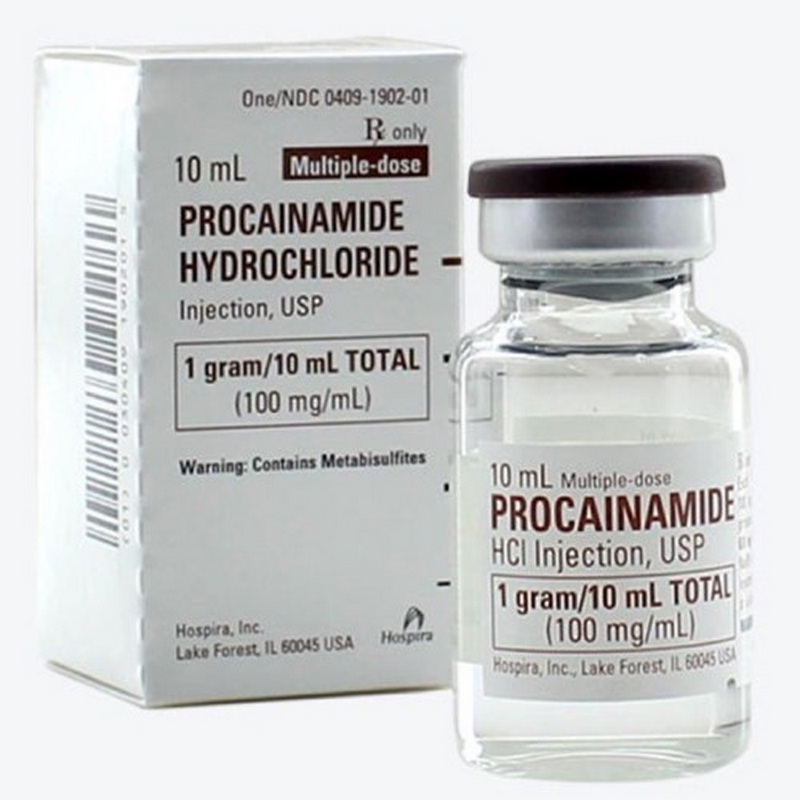
Procaine's chemical formula is C13H20N2O2, and it is structurally best described as 2-(diethylamino)ethyl 4-aminobenzoate. Its defining organic families are:[5][1]
- Aromatic Ring (Benzenoid): The central scaffold is a benzene ring, typical of benzenoid compounds. This lipophilic motif improves membrane permeability—a key anesthetic trait.[6][7]
- Ester Linkage (Carboxylic Ester): Connecting the aromatic ring to an alkyl chain, this ester group classifies procaine as part of the amino ester local anesthetics, influencing metabolism and onset.[3][1][6]
- Aromatic Amine (Aniline Group): Para-substituted by an amino group (NH2), making the ring more hydrophilic and interactive in biological systems.[1][6]
- Tertiary Amine: The 2-diethylamino side chain is a basic, hydrophilic tertiary amine, vital for solubility and receptor binding.[9][5][1]
Local anesthetics need to traverse neural membranes, and a lipophilic aromatic ring is crucial for this property. Procaine's benzenoid system—combined with the ester—empowers diffusion through nerve sheath tissues, accounting for its rapid onset and short duration of action.[7]
The carboxylic ester bond not only connects the molecule but determines metabolic fate. Unlike amide anesthetics (e.g., lidocaine), amino esters like procaine undergo fast hydrolysis in blood by butyrylcholinesterase, forming para-aminobenzoic acid (PABA) and diethylaminoethanol. This pathway explains both the short action window and the occasional allergic reactions associated with PABA formation.[2][6][7]
Both the aromatic amine and tertiary amine are influential for water solubility and for converting procaine between active and inactive forms, crucial for formulations and pharmacokinetics. The tertiary amine ensures efficient penetration and receptor interaction inside neural tissues.[6][9]
There are two dominant methods for synthesizing procaine, each highlighting its organic families:
1. Benzocaine Route: Direct reaction of benzocaine with 2-diethylaminoethanol, using sodium ethoxide as a catalyst. This process attends to both the ester (benzocaine) and amine families.[4][3]
2. Nitration and Reduction: Oxidation of 4-nitrotoluene yields 4-nitrobenzoic acid, which is then converted to an acyl chloride, esterified, and finally reduced to the amine form—demonstrating integrated organic transformations.[4]
OEM providers like supplybenzocaine.co.uk routinely tailor molecule purity, isotonic solutions, and additive profiles to client specifications, leveraging expertise in esterification and amination. International brands benefit from customizable manufacturing batches, complying with global pharmacopoeia standards.
Procaine blocks voltage-gated sodium channels in neuronal membranes, inhibiting action potentials and sensory transmission. This effect is triggered by its careful balance of lipophilic, hydrophilic, and ionizable groups—explained by its molecular structure:[2][7][9]
- Aromatic ring: Facilitates membrane binding.
- Amine: Enables interaction with charged channel residues.
- Ester: Supports optimal metabolic breakdown.
Procaine is used mainly in dental procedures, minor surgeries, and pain management interventions. Its rapid hydrolysis means a low risk of systemic toxicity, but PABA formation can cause rare allergies. It is typically administered by injection, with effects lasting up to 30 minutes.[10][3][6]
While procaine is an amino ester, other popular local anesthetics like lidocaine and bupivacaine are aminoamides. The ester-amide distinction impacts metabolism, allergy risk, and duration of action:
| Compound | Organic Family | Metabolism | Duration | Allergy Risk |
|---|---|---|---|---|
| Procaine | Amino Ester | Plasma hydrolysis | Short | Higher |
| Lidocaine | Amino Amide | Hepatic metabolism | Longer | Lower |
| Benzocaine | Amino Ester | Plasma hydrolysis | Short | Higher |
Innovative biopharma and OEM players now integrate advanced synthesis, automation, and process control. This facilitates:
- Efficient, high-purity ester formation for injectable use.
- Custom amine substitutions for improved pharmacokinetics.
- Analytical validation and ISO compliance for export markets.
Procaine has historic importance but is frequently supplanted by longer-acting modern agents. However, it remains essential for industrial comparison, formulation development, and pharmacology education. R&D continues to optimize analogs, aiming for improved tissue specificity and allergic safety.
Manufacturing partners in China, such as supplybenzocaine.co.uk, provide international clients with scalable production, quality assurance, and regulatory expertise—supporting global clinical and industrial needs.
Procaine's functional composition spans aromatic, ester, and amine organic families. Its molecular architecture drives its anesthetic efficacy, predictable metabolism, and safety profile. Whether in clinical practice or industrial synthesis, understanding these organic roots is key to innovation and effective product development. For brands, wholesalers, and manufacturers seeking a premium OEM partner for high-quality local anesthetics and biotechnological compounds, expert consultation ensures tailored solutions that meet global standards.
Contact our specialized team today at supplybenzocaine.co.uk to explore how our manufacturing and R&D services can boost your brand's competitiveness in the medical and pharmaceutical field.
Procaine's key organic families are the benzoic acid esters (carboxylic ester), substituted anilines (aromatic amine), and aliphatic tertiary amines.[7][1][6]
They impact lipid solubility, receptor targeting, and metabolism—driving fast neuronal blocking and rapid breakdown in the body.[2][6][7]
Procaine is an amino ester metabolized in plasma, whereas lidocaine is an aminoamide requiring liver metabolism and having a longer duration of effect.[7]
Most reactions stem from its ester hydrolysis product para-aminobenzoic acid (PABA), occasionally triggering allergies.[6][2]
Our expertise spans molecular synthesis, customization, regulatory compliance, and international logistics, ensuring premium quality and reliable partnership for foreign brands.[4]
[1](https://pubchem.ncbi.nlm.nih.gov/compound/Procaine)
[2](https://go.drugbank.com/drugs/DB00721)
[3](https://en.wikipedia.org/wiki/Procaine)
[4](https://www.sciencedirect.com/topics/chemistry/procaine)
[5](https://webbook.nist.gov/cgi/cbook.cgi?ID=59-46-1)
[6](https://cymitquimica.com/cas/59-46-1/)
[7](https://www.ncbi.nlm.nih.gov/books/NBK551556/)
[8](https://www.guidetopharmacology.org/GRAC/LigandDisplayForward?tab=structure&ligandId=4291)
[9](https://www.youtube.com/watch?v=VFveLlP25zE)
[10](https://www.britannica.com/science/procaine-hydrochloride)
Hot tags: Procaine Organic Families, Local Anesthetic Chemistry, Aminoester Compounds, Procaine Structure, Organic Chemistry of Procaine, Procaine Uses, Procaine Molecular Composition, Local Anesthetics Classification, Procaine Mechanism of Action, Procaine Side Effects