Content Menu
● Understanding Procaine Penicillin G
● Manufacturing Process and Quality Assurance
● Major Global Manufacturers and Suppliers
>> Norbrook Laboratories (Norocillin)
>> AdvaCare Pharma (PropenCare)
>> Aspen Veterinary Resources, Bimeda, and VetOne
● Clinical Use in Equine Medicine
● Regulatory and Safety Considerations
● Sourcing and Supply Chain Insights
● Frequently Asked Questions (FAQ)
>> 1. What is the standard dose of Procaine Penicillin G for horses?
>> 2. Who are the top global manufacturers?
>> 3. Can horses have adverse reactions to this medication?
>> 4. What are the regulatory requirements for purchase and use?
>> 5. How can brands or wholesalers arrange OEM production in China?
Procaine Penicillin G remains an indispensable tool in the equine health arsenal, providing reliable protection against a host of common and potentially life-threatening infections. As global demand rises for robust, affordable, and high-quality veterinary treatments, discerning the leading manufacturers, OEM suppliers, and regulatory factors for this antibiotic empowers veterinarians, international distributors, and brands to make wise sourcing decisions. This article explores the manufacturing process, global industry leaders, clinical protocols, procurement tips, and regulatory context of Procaine Penicillin G for horses.[9][10][11]
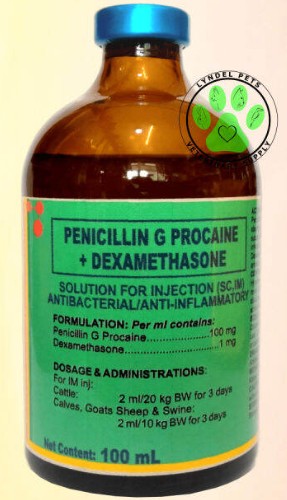
Procaine Penicillin G is a combination of the antibiotic benzylpenicillin (Penicillin G) and the local anesthetic procaine. This pairing allows for gradual drug release from the injection site, prolonging therapeutic effects compared to plain benzylpenicillin. In horses, Procaine Penicillin G is renowned for its efficacy against a broad range of gram-positive bacteria that cause infections such as strangles, respiratory disease, wound infections, and various soft tissue ailments. It is not effective against penicillinase-producing bacteria and exhibits limited efficacy against certain gram-negative organisms, but remains a first-line defense in equine health.[12][13][9]
By slowing the absorption rate, procaine ensures that the equine patient receives consistent therapeutic drug levels over a period of time, reducing the frequency of injections and the associated stress for both the horse and the caregiver. Administered only via deep intramuscular injection, Procaine Penicillin G is safe and effective when dosing protocols, sterility, and safety precautions are followed.[12]
The manufacturing of Procaine Penicillin G is a highly standardized process hinging on international GMP (Good Manufacturing Practice) compliance to guarantee product safety, consistency, and efficacy. Here's a generalized walkthrough of the industrial manufacturing process for Procaine Penicillin G injectable suspensions:[1][3]
- Preparation of Excipients: Inactive ingredients like sodium carboxymethylcellulose, povidone, lecithin, methylparaben, and propylparaben are mixed in a tank, heated to around 60°C, then sterilized at high temperatures.
- Dissolution of Active Ingredients: Procaine hydrochloride and sodium citrate, along with potassium penicillin G and other stabilizers, are dissolved in separate tanks under highly sterile conditions to prevent contamination.
- Mixing and Reaction: The solutions are combined through 0.2-micron sterile filters in a controlled mixing tank, initiating a reaction between procaine hydrochloride and penicillin G potassium to form procaine penicillin G.
- Homogenization: The bulk suspension is passed through a high-pressure homogenizer (6,000–10,000 psi), micronizing large particles for uniform distribution.
- Aseptic Filling: The freshly produced suspension is aseptically filled, stoppered, and capped into sterile glass vials or bottles, which are then quarantined for quality control.
- Storage and Distribution: After passing all quality tests, products are transferred to refrigerated storage (2–8°C) and distributed to wholesalers, pharmacies, or directly to veterinary clinics.
Quality control at each step ensures particle size consistency, sterility, and chemical potency, supporting both product safety and regulatory compliance. Manufacturers producing for export must meet additional pharmacopoeia standards and obtain international veterinary certifications.[3][1]
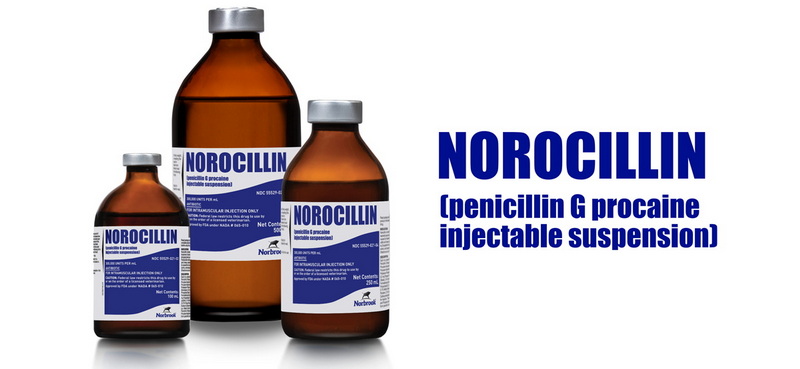
Norbrook is regarded as one of the global pioneers in veterinary antibiotics, with its Norocillin brand consistently rated as top-tier by veterinarians and distributors. Norbrook's injections are widely available across North America, Europe, and Asia, with FDA and EMA registrations.[14][9]
Operating internationally from GMP-certified sites in China, India, and the US, AdvaCare Pharma produces the PropenCare line for equine and livestock use. Their offerings span a variety of vial sizes, and all products meet export standards for major B2B buyers and animal health companies.[10][15]
Additional key manufacturers supplying the US, Europe, and global markets include Aspen Veterinary Resources (Bactracillin G), Bimeda (Pro Pen G), and VetOne (PenOne Pro). These companies maintain high reputations for reliability, product integrity, and customer support, especially for equine practices.[16][17][18]
China continues to be the world's production powerhouse for generic and private label Procaine Penicillin G injectables. Numerous Hebei, Shandong, and Zhejiang-based factories operate under strict GMP protocols, producing for both domestic markets and international OEM clients. Many of these manufacturers welcome bulk, private label, and custom formulation orders from overseas veterinary companies, brands, and distributors.[11][19]
Benefits of Chinese OEM Suppliers:
- Competitive pricing with large minimum order discounts.
- Ability to customize vial sizes, labeling, packaging, and registered active ingredients.
- Full documentation support for regulatory submissions.
For instance, companies sourcing from supplybenzocaine.co.uk (the user's company) benefit from end-to-end project management, including product development, regulatory guidance, and after-sales logistics.
Procaine Penicillin G is most frequently used to treat strangles (Streptococcus equi), pneumonia, abscesses, and bacterial wound infections in horses. The global veterinary consensus recommends its use as a first-line antibiotic for many non-penicillinase-producing organisms. Veterinarians appreciate the extended-release effect of the procaine salt, which enables 12- to 24-hour dosing intervals.[13][12]
Clinical and Dosing Considerations:
- Standard dose is 22,000 IU/kg administered IM every 12–24 hours, equating to approximately 1 mL per 100 lbs.[20][12]
- All injections must be strictly intramuscular; accidental intravenous administration can cause severe, often dramatic reactions (“procaine reaction”).[21][22]
- Rotation of injection sites is advised for treatments extending several days to minimize local tissue trauma.
- Some horses may react to the procaine component or develop sterile abscesses, so close monitoring after each injection is essential.[23][21]
- Antimicrobial resistance is an increasing concern in equine medicine; alternatives may be considered if there is no clinical response within 48–72 hours.[24][14]
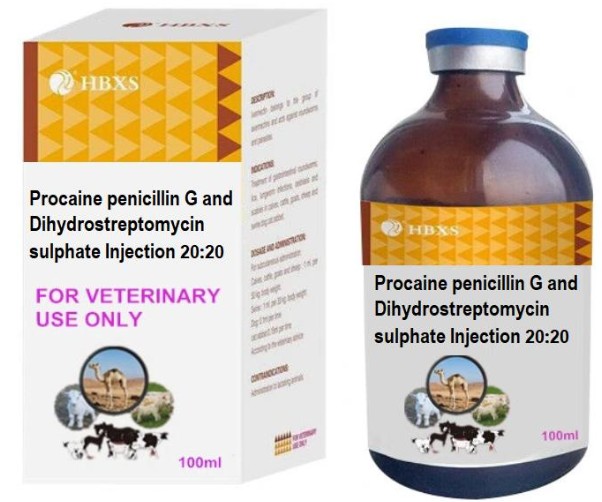
Procaine Penicillin G is subject to strict regulatory guidelines for usage, withdrawal times, and animal welfare. Its use is generally restricted to prescription-only channels, with documentation required for food-producing animals.
Withdrawal and Detection Times:
- Cattle: 14-day meat withdrawal; 48-hour milk withdrawal.
- Sheep: 9 days; Swine: 7 days.[4]
- Horses: Prohibited in food-producing horses in many jurisdictions. Procaine can remain traceable in horse urine for 6 days or more after administration, impacting competitive participation.[2][5][4]
Veterinary prescribers and distributors must ensure compliance with regional veterinary authorities, and buyers should insist on certificates of analysis, GMP certification, and clear labeling from all suppliers.
Best Practice Pointers:
- Never administer Procaine Penicillin G intravenously in horses.
- Shake suspensions vigorously before use to ensure even drug distribution.[8]
- Monitor for adverse reactions post-injection, and report serious issues to regulatory authorities.
The expansive global supply chain for Procaine Penicillin G for horses is anchored by long-term relationships between manufacturers, distributors, and end-users, such as veterinary pharmacies and clinics. For brands, veterinary organizations, and wholesalers seeking bulk or white-label products:
- Prioritize GMP and regulatory compliance for product safety and legal import/export.
- Leverage Chinese OEM partners for flexible order sizes, customized branding, and ongoing formulation support.
- Request product samples, quality documentation, and manufacturing audits before placing large orders.
- Investigate geographic proximity of the manufacturer to major shipping hubs for faster delivery and reduced freight costs.
- Keep abreast of market fluctuations—regulatory supply interruptions have affected even major producers like Norbrook in the recent past, temporarily tightening supplies.[14]
Companies like supplybenzocaine.co.uk offer custom consultation for private label, bulk, and branded orders, supporting regulatory submissions and logistics for international customers.
“Who Makes Procaine Penicillin G for Horses?” delivers a thorough exploration of leading manufacturers, the industrial process, clinical application, and global supply chain considerations for this critical equine antibiotic. Prospective buyers are urged to seek out GMP-certified suppliers offering proven regulatory compliance, competitive pricing, and tailored OEM solutions for reliable animal health outcomes worldwide.[9][10][11] Contact us to know more!
The most often recommended dose is about 22,000 IU/kg intramuscularly every 12–24 hours, or roughly 1 mL per 100 pounds of body weight, under veterinary supervision.[20][12]
Norbrook, AdvaCare Pharma, Aspen Veterinary Resources, VetOne, Bimeda, and various Chinese GMP-certified OEM factories are key suppliers in the international market.[19][10][11][16][9]
Yes. Accidental intravenous administration or allergic sensitivity to either penicillin or procaine can cause acute reactions ranging from agitation to collapse. Close observation post-injection is necessary.[22][13][21]
A veterinary prescription is required in most regions, and strict withdrawal times for food-producing animals must be observed. Procaine persists in urine for several days, which is crucial for competition horses.[5][2][4]
Reach out to GMP-audited Chinese suppliers or platforms like Made-in-China.com, or connect directly with supplybenzocaine.co.uk for end-to-end OEM service, including formulation, packaging customization, and international documentation.[11][19]
[1](https://patents.google.com/patent/US20060058280A1/en)
[2](https://rmtcnet.com/wp-content/uploads/2020-10-Procaine-Monograph-FINAL.pdf)
[3](https://patents.google.com/patent/EP1776371B1/en)
[4](https://www.mda.state.mn.us/sites/default/files/inline-files/Injectable-Penicillin-G-Procaine-2.21.pdf)
[5](https://www.merckvetmanual.com/pharmacology/antibacterial-agents/penicillins-use-in-animals)
[6](https://dr.lib.iastate.edu/bitstreams/0a347e66-c9fc-4fc1-a270-b139e0951b10/download)
[7](https://www.thomastobin.com/archive/005%20-%20Pharmacology%20of%20Procaine%20in%20the%20Horse%20-%20Pharmacokinetic.pdf)
[8](https://www.farad.org/pdf/112013ProcainePenGWDI.pdf)
[9](https://www.norbrook.com/us/products/norocillin-penicillin-g-procaine-injectable-suspension/)
[10](https://www.advacarepharma.com/en/veterinary/penicillin-g-procaine-for-injection)
[11](https://www.made-in-china.com/products-search/hot-china-products/Wholesale_Procaine_Penicillin_Injection.html)
[12](https://ohiostate.pressbooks.pub/osuvmcabxuse/chapter/abx_penicillin-equine/)
[13](https://open.lib.umn.edu/largeanimalsurgery/chapter/equine-antibiotics/)
[14](https://gvma.net/2025/07/15/industry-update-norbrook-penicillin-shortage/)
[15](https://www.advacarepharma.com/en/veterinary/penicillin-g-procaine-penicillin-sodium-streptomycin-sulfate-for-injection)
[16](https://www.fbn.com/direct/product/fbn-penicillin-g-procaine-injection-value-pick-rx)
[17](https://www.alaskanaids.org/445763980005.html)
[18](https://www.lambertvetsupply.com/products/pro-pen-g)
[19](https://www.veyongpharma.com/procaine-penicillin-g/)
[20](https://www.youtube.com/watch?v=hlkrApacyPA)
[21](https://horsesidevetguide.com/drv/Observation/794/reaction-after-penicillin-im-injection/)
[22](https://www.youtube.com/watch?v=0NHv1cqLQ7Q)
[23](https://horsesidevetguide.com/drv/Diagnosis/1/procaine-penicillin-g-reaction/)
[24](https://pmc.ncbi.nlm.nih.gov/articles/PMC11350719/)
Hot tags: Procaine Penicillin G Horses, Penicillin G Injectable for Horses, Norbrook Procaine Penicillin, Veterinary Antibiotics for Horses, Penicillin G Suppliers, Procaine Penicillin G Manufacturers, Horse Medication Procaine Penicillin, Penicillin G for Equine Use, Injectable Antibiotics for Horses, Procaine Penicillin G Dosage