Content Menu
● Introduction to Lidocaine and Its Extraction
● The Role of HCl in the Extraction Process
>> 1. Protonation of Lidocaine
● Comparison of HCl with Other Acids
● Benefits of Using HCl for Extraction
>> 3. Simplicity of the Process
>> 4. Compatibility with Other Processes
● Environmental Concerns Regarding Toluene
● Alternative Solvents for Lidocaine Extraction
● Challenges in the Extraction Process
● FAQ
>> 1. What is the chemical structure of lidocaine?
>> 2. Why is HCl preferred over other acids for extraction?
>> 3. What are the safety precautions when using HCl?
>> 4. Can lidocaine be extracted without HCl?
>> 5. What is the final product of the extraction process?
Lidocaine, a widely used local anesthetic, is often extracted from toluene using hydrochloric acid (HCl). This article explores the reasons why HCl is preferred for this extraction process, detailing the chemical mechanisms involved, the benefits of using HCl, and the overall efficiency of the extraction method.
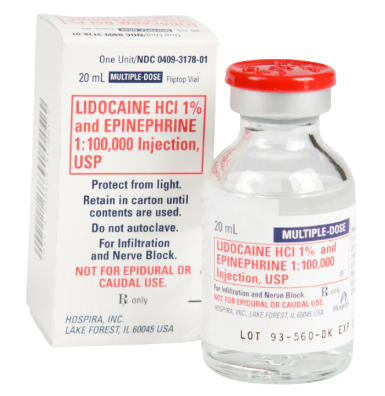
Lidocaine, chemically known as 2-(diethylamino)-N-(2,6-dimethylphenyl)acetamide, is a local anesthetic that blocks nerve signals in the body. It is commonly used in medical procedures to numb tissue in a specific area. The extraction of lidocaine from toluene is a critical process in pharmaceutical manufacturing, and the choice of solvent and acid can significantly impact the yield and purity of the final product.
Lidocaine is typically available in its hydrochloride salt form, which is more stable and soluble in water than its free base form. This property is crucial for its application in medical settings, where it is often administered as an injectable solution. The extraction process aims to convert the lidocaine from its organic solvent (toluene) into a form that can be easily purified and used in pharmaceutical formulations.
The primary reason HCl is effective in extracting lidocaine from toluene is its ability to protonate the amine group in lidocaine. This protonation converts lidocaine into a water-soluble hydrochloride salt, which can then be easily separated from the organic phase (toluene). The protonation process is essential because it alters the chemical properties of lidocaine, making it more amenable to extraction.
When HCl is added to the mixture, it increases the solubility of lidocaine in the aqueous phase. The protonated form of lidocaine (lidocaine hydrochloride) is significantly more soluble in water than its free base form, allowing for efficient separation from toluene. This enhanced solubility is a critical factor in achieving high yields during the extraction process.
The use of HCl not only aids in the extraction of lidocaine but also helps in removing impurities. The acidic environment can help dissolve unwanted by-products and facilitate their separation from the desired product. This is particularly important in pharmaceutical applications, where the purity of the final product is paramount.
While other acids can be used for extraction, HCl is often preferred due to its effectiveness and cost-efficiency. For instance, sulfuric acid and nitric acid can also protonate lidocaine, but they may introduce additional complications, such as the formation of unwanted side products or the need for more complex purification steps. HCl's simplicity and effectiveness make it the acid of choice for many pharmaceutical applications.
1. Preparation of the Mixture: Combine lidocaine in toluene with a measured amount of HCl. The concentration of HCl used can vary depending on the specific requirements of the extraction process, but typically a 3M solution is effective.
2. Stirring and Heating: Stir the mixture and apply gentle heat to facilitate the reaction. Heating can help increase the rate of protonation and improve the overall efficiency of the extraction.
3. Separation: After the reaction, transfer the mixture to a separatory funnel. The aqueous layer containing the protonated lidocaine will separate from the organic layer. This separation is crucial for isolating the desired product.
4. Washing: Wash the organic layer with water to remove any residual HCl and impurities. This step ensures that the final product is as pure as possible.
5. Neutralization: Add a base (e.g., sodium hydroxide) to the aqueous layer to precipitate lidocaine hydrochloride. The addition of a base neutralizes the acid, allowing the lidocaine to return to its free base form, which is less soluble in water.
6. Filtration: Collect the precipitated lidocaine hydrochloride through vacuum filtration. This step isolates the final product, which can then be dried and prepared for further use.
The use of HCl typically results in higher yields of lidocaine hydrochloride compared to other acids. This is due to the efficient protonation of the amine group, which enhances solubility and facilitates extraction. High yields are essential in pharmaceutical manufacturing, where maximizing product output is critical for economic viability.
HCl is relatively inexpensive and readily available, making it a practical choice for large-scale pharmaceutical production. The low cost of HCl compared to other acids contributes to the overall affordability of the extraction process.
The extraction process using HCl is straightforward and can be easily scaled up for industrial applications. The steps involved are well-understood and can be performed with standard laboratory equipment. This simplicity is advantageous for manufacturers looking to implement efficient extraction methods.
HCl is compatible with various other chemical processes that may be involved in the synthesis of lidocaine. For example, it can be used in conjunction with other reagents and solvents without causing adverse reactions. This compatibility allows for more streamlined production workflows.
While toluene is effective for extracting lidocaine, it is important to consider the environmental implications of its use. Toluene is a volatile organic compound (VOC) that can contribute to air pollution and has potential health risks associated with inhalation and skin contact. Prolonged exposure to toluene can lead to neurological damage and other health issues.
Therefore, it is crucial to implement proper safety measures and consider alternative solvents that may be less harmful to the environment. Manufacturers should prioritize the use of safer solvents and extraction methods to minimize their environmental footprint.
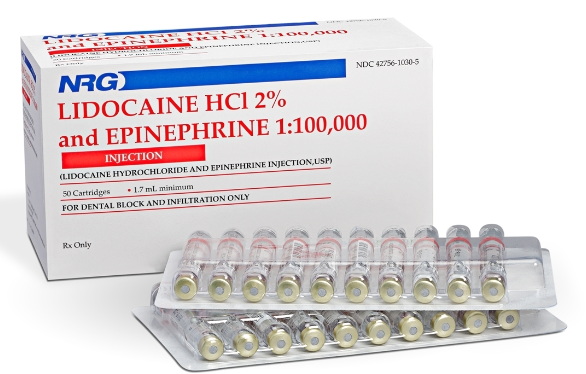
In recent years, there has been a growing interest in finding alternative solvents for the extraction of lidocaine. Some potential alternatives include:
- Acetonitrile: This solvent is less toxic than toluene and can effectively dissolve lidocaine. However, it may not be as effective in protonating the amine group as HCl. Acetonitrile is often used in high-performance liquid chromatography (HPLC) applications due to its favorable properties.
- Ethanol: Ethanol is a greener alternative that can be used in some extraction processes. It is less harmful and can be used in conjunction with acids to enhance extraction efficiency. Ethanol's low toxicity makes it an attractive option for pharmaceutical applications.
- Water: In some cases, water can be used as a solvent, especially when combined with acids like HCl to facilitate the extraction of lidocaine. Water is an environmentally friendly solvent that can reduce the overall environmental impact of the extraction process.
- Ionic Liquids: These are salts that are liquid at room temperature and can be used as solvents for various chemical reactions. Ionic liquids have gained attention for their ability to dissolve a wide range of organic compounds, including pharmaceuticals. They are considered more environmentally friendly than traditional organic solvents.
Despite the advantages of using HCl for extracting lidocaine, there are challenges that manufacturers may face during the extraction process. Some of these challenges include:
During the extraction process, emulsions can form between the aqueous and organic phases, complicating the separation of lidocaine. Emulsions can lead to lower yields and require additional steps to break them down. Manufacturers may need to optimize their extraction conditions to minimize emulsion formation.
Maintaining the appropriate temperature during the extraction process is crucial for achieving optimal yields. Excessive heat can lead to the degradation of lidocaine or the formation of unwanted by-products. Careful monitoring of temperature is essential to ensure the integrity of the product.
Scaling up the extraction process from the laboratory to industrial production can present challenges. Factors such as mixing efficiency, heat transfer, and mass transfer can differ significantly at larger scales. Manufacturers must carefully design their processes to account for these differences and ensure consistent product quality.
Pharmaceutical manufacturers must adhere to strict regulatory guidelines when producing lidocaine and other medications. This includes ensuring that extraction processes meet safety and quality standards. Compliance with regulations can add complexity to the extraction process and may require additional documentation and validation.
In conclusion, hydrochloric acid (HCl) is a superior choice for extracting lidocaine from toluene due to its ability to protonate the amine group, enhance solubility, and facilitate the removal of impurities. This method not only ensures high yields but also simplifies the extraction process, making it ideal for pharmaceutical applications.
If you are looking for reliable and efficient extraction methods for lidocaine or other pharmaceutical compounds, our company specializes in providing OEM services for biotechnology, pharmaceutical health, and medical devices. Contact us today to learn more about our services and how we can assist you in your production needs!
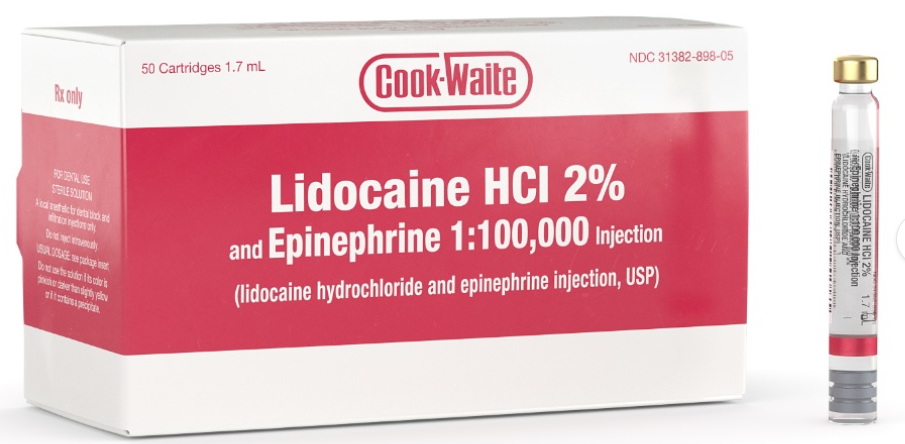
Lidocaine is chemically known as 2-(diethylamino)-N-(2,6-dimethylphenyl)acetamide, and it has a molecular formula of C14H22N2O.
HCl is preferred because it effectively protonates lidocaine, increasing its solubility in water and facilitating the extraction process.
Always wear appropriate personal protective equipment (PPE), including gloves and goggles, and work in a well-ventilated area or fume hood to avoid inhalation of fumes.
While it is possible to extract lidocaine without HCl, the yield and purity may be significantly lower compared to using HCl.
The final product of the extraction process is lidocaine hydrochloride, a water-soluble salt form of lidocaine.
Hot tags: HCL Extraction, Lidocaine Toluene Extraction, Benefits of HCL, Lidocaine Synthesis, Organic Chemistry Techniques, Acid-Base Extraction, Lidocaine Hydrochloride, Chemical Extraction Methods, Toluene Solvent Use, Pharmaceutical Chemistry